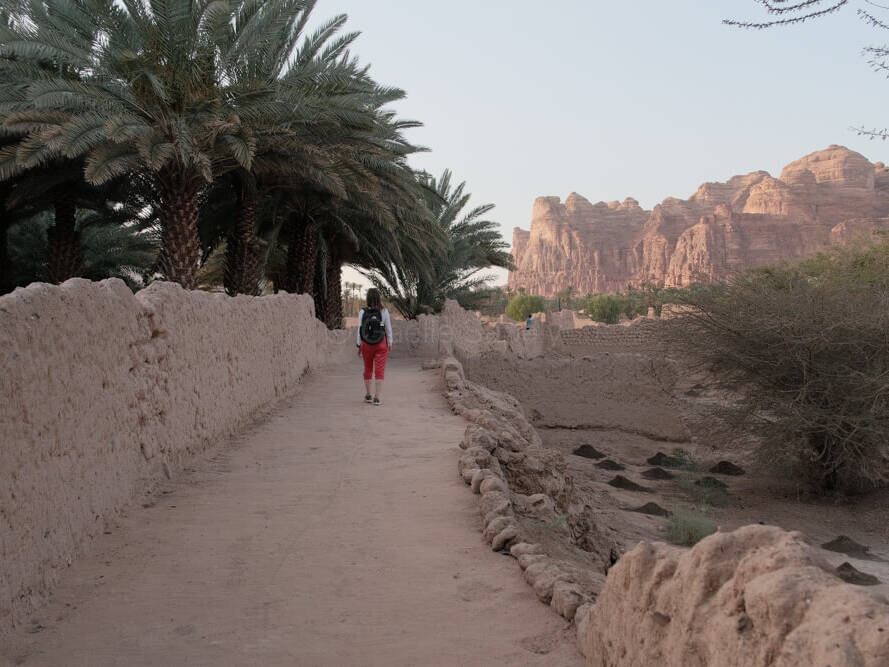
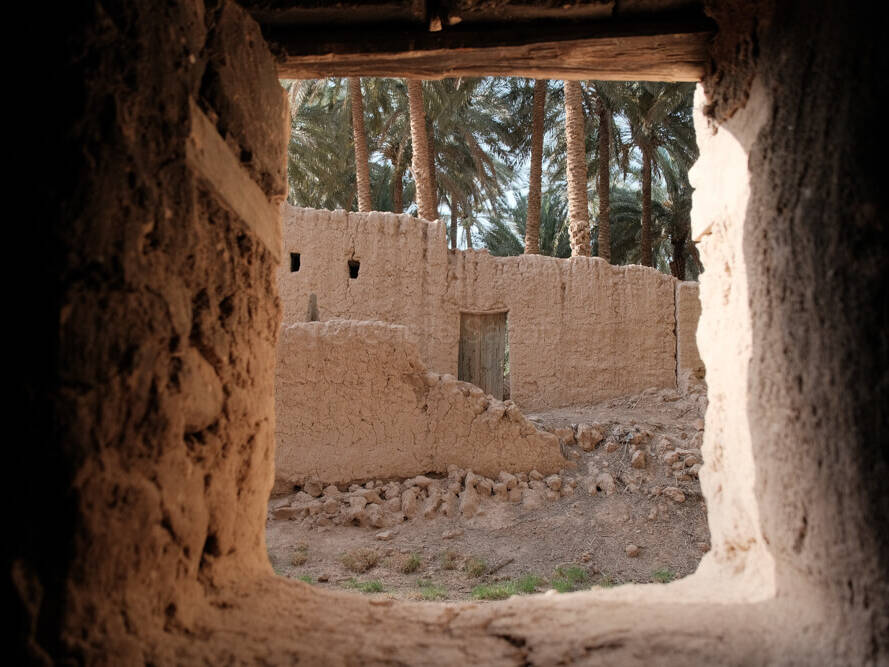
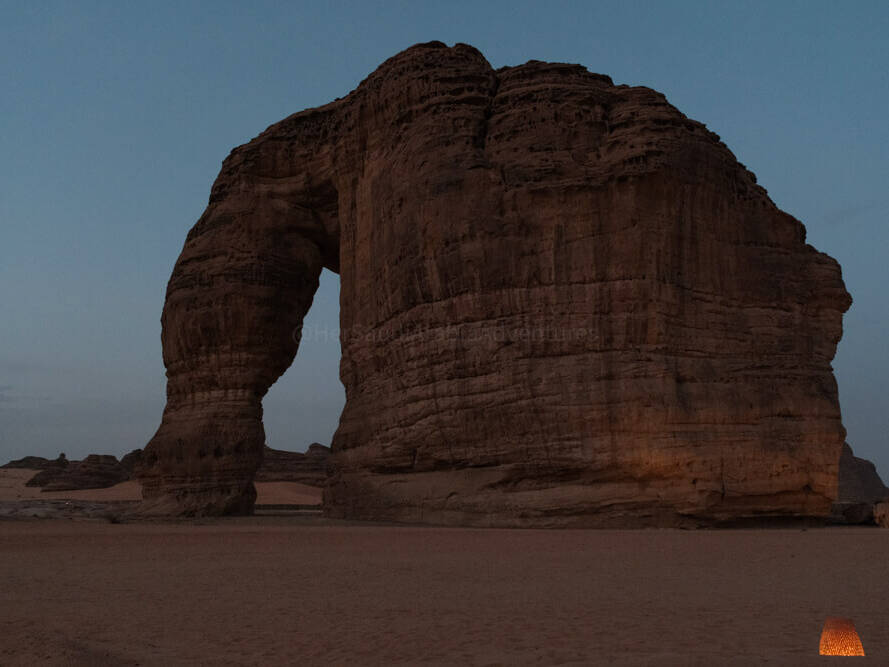
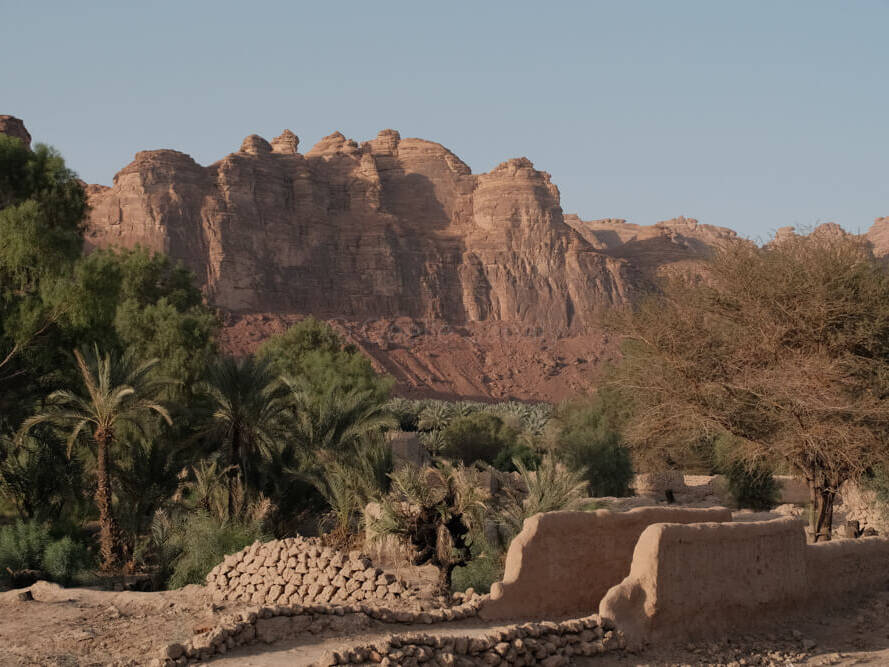
Hegra, often referred to as Madain Saleh, is an archaeological site in the northwest of the Kingdom of Saudi Arabia. It is located in Al’Ula, an ancient oasis that once stood along the Incense Route and the historic pilgrimage path to Makkah.
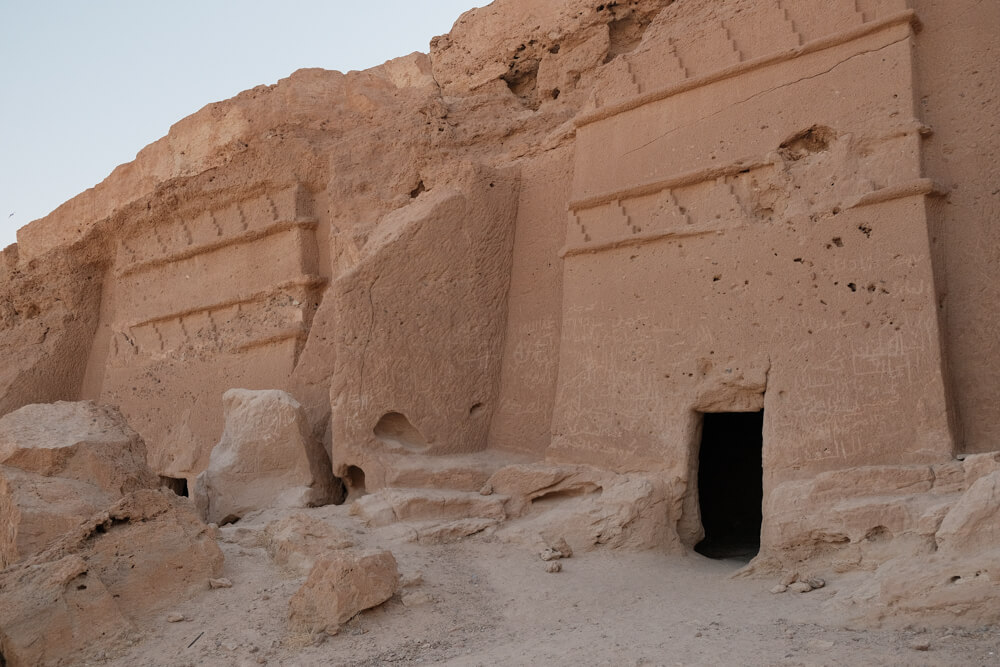
Hegra is known as the “little sister of Petra,” it is one of the country’s most iconic places. Hegra was situated on the caravan routes that crossed the Arabian Peninsula in ancient times. Much like the famous historical site of Petra in Jordan, the Nabataeans built rock-cut tombs there.
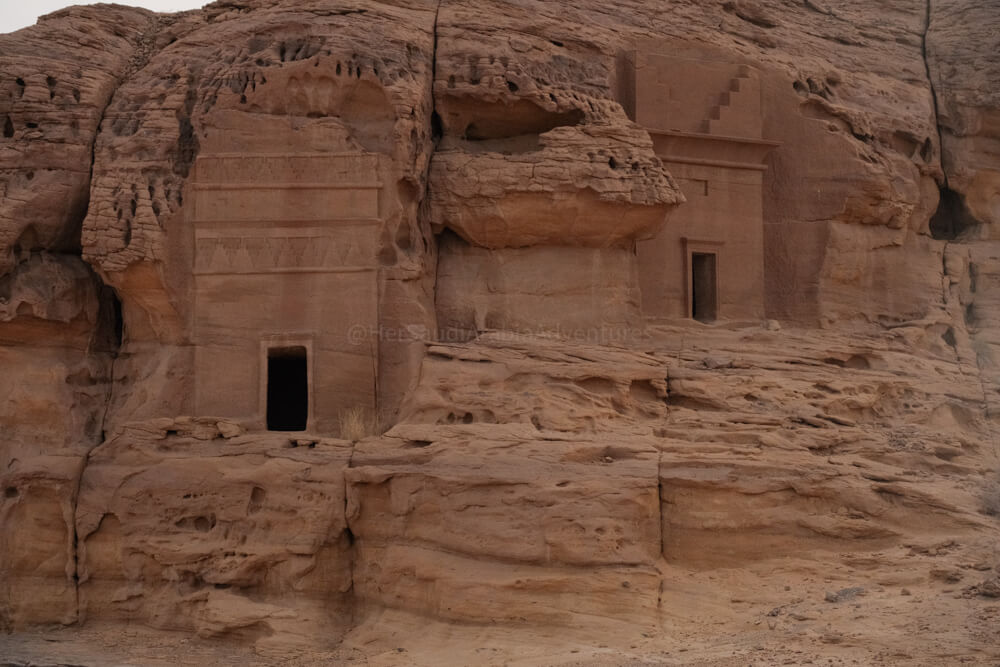
The archaeological site of Madain Salih is a true open-air museum. It is also the first site in Saudi Arabia to be listed as a UNESCO World Heritage Site. And it’s easy to see why. It is he most significant Nabataean site south of Petra. I recommend that anyone visiting Saudi Arabia spend at least a few days here to explore Al’Ula and enjoy the beauty and experiences that AlUla has to offer.
Opening of Saudi Arabia
For me, Al’Ula had always been on my list. I remember seeing it in a travel book and thinking how incredible it would be to see it in real life. At the time, I didn’t associate it with Petra in Jordan. I was simply amazed by the Tomb of Lihyan and how impressive the site looked to visit.
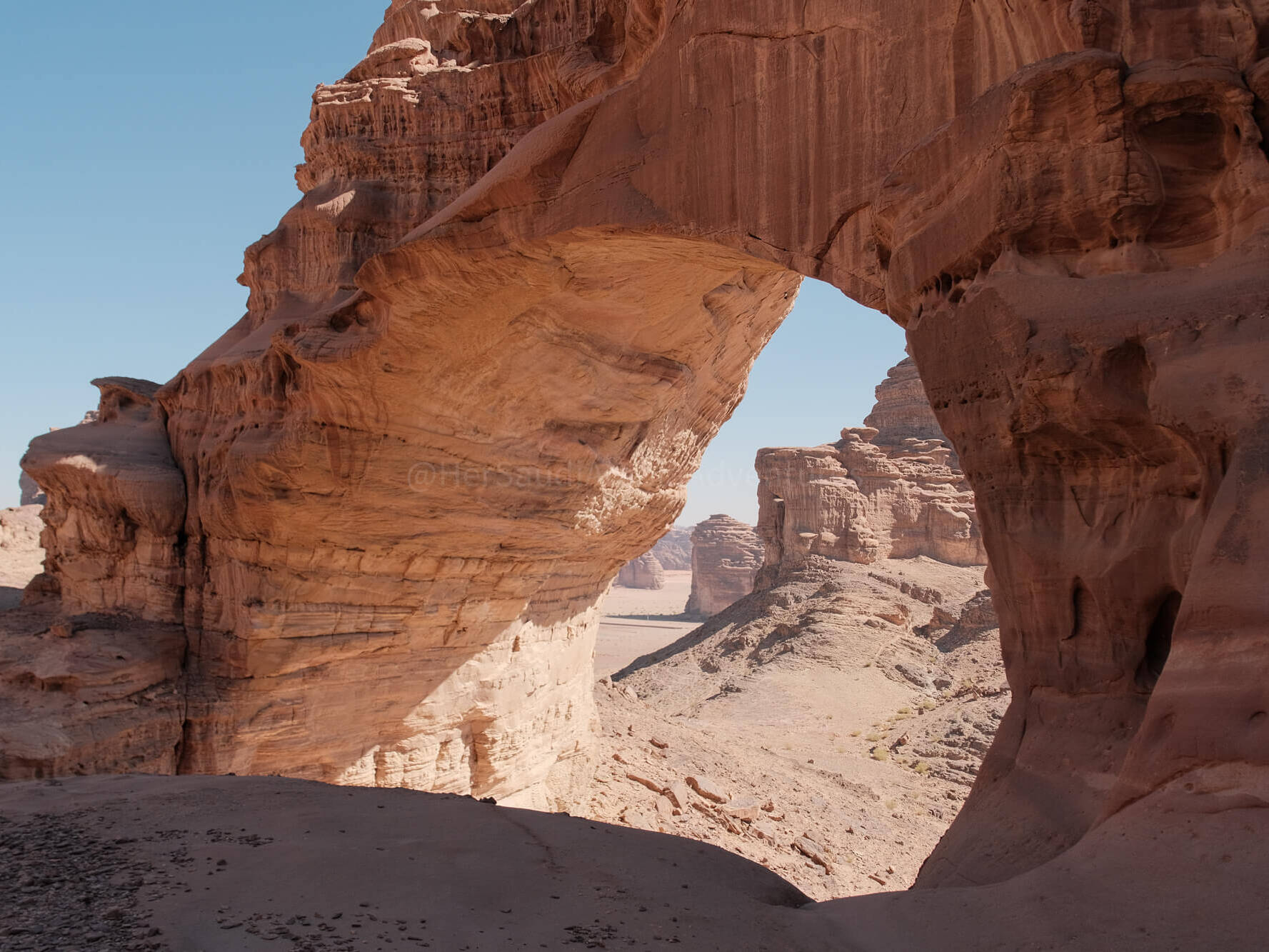
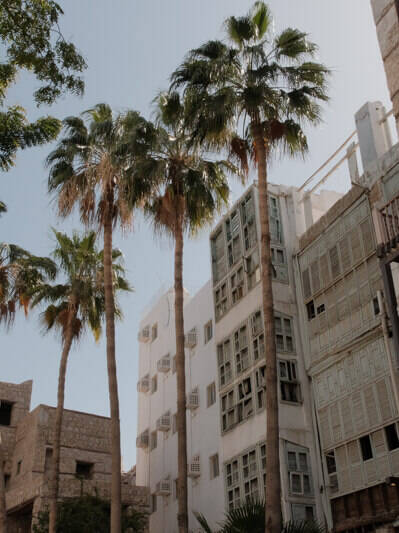
Madain Salih: the site of Hegra
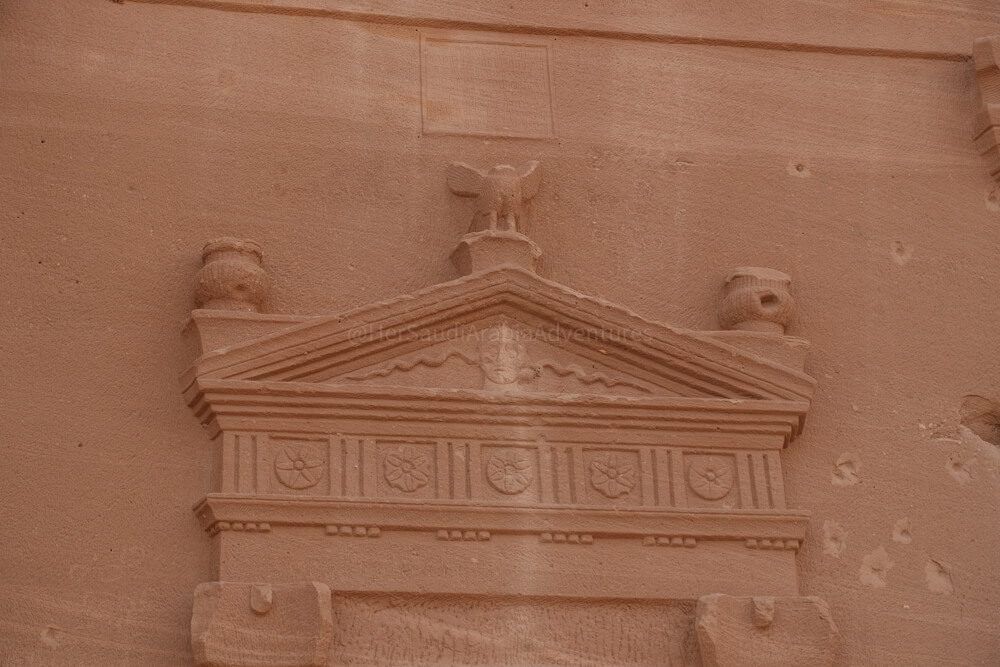
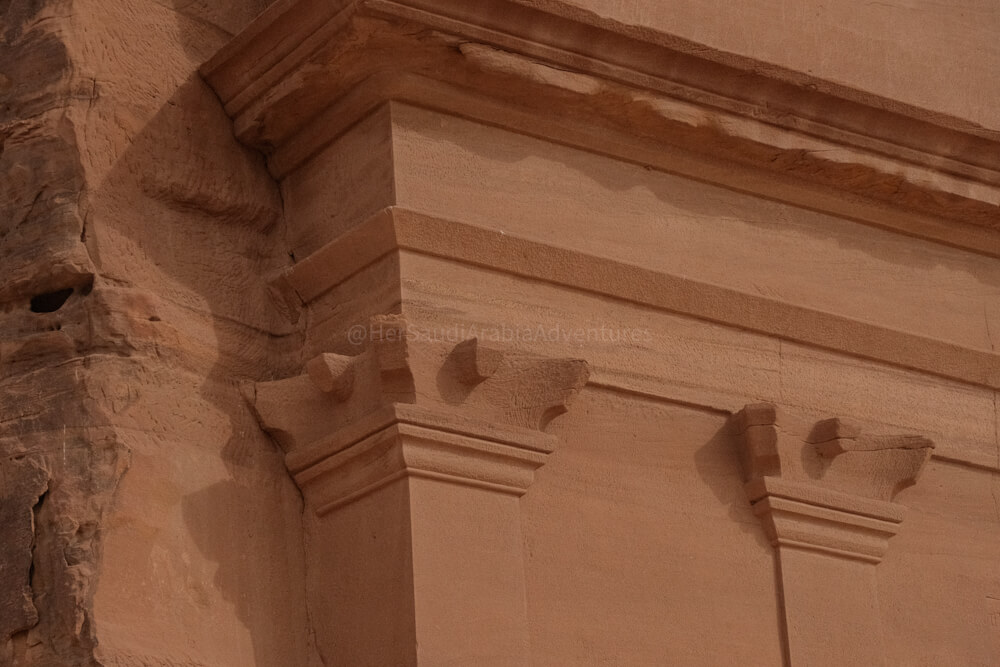
The site of Hegra is a testament to the Nabataean civilization, dating primarily from the 1st century BC to the 1st century AD. It’s impossible not to think of Petra in Jordan when viewing these beautiful facades: an architectural style unique to the Nabataeans, who carved directly into the rock.
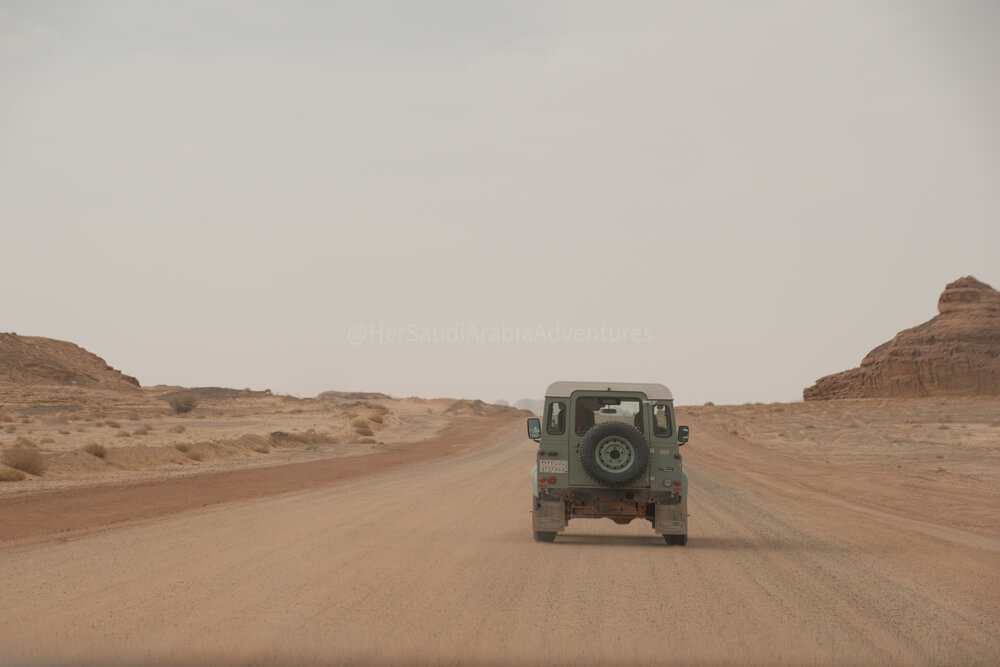
Discovery and excavations
Most of the monuments in the AlUla region remain a mystery to archaeologists. A Franco-Saudi excavation programme was established in 2008, the year the site was listed as a UNESCO World Heritage Site. It’s a dream come true for all archaeologists!
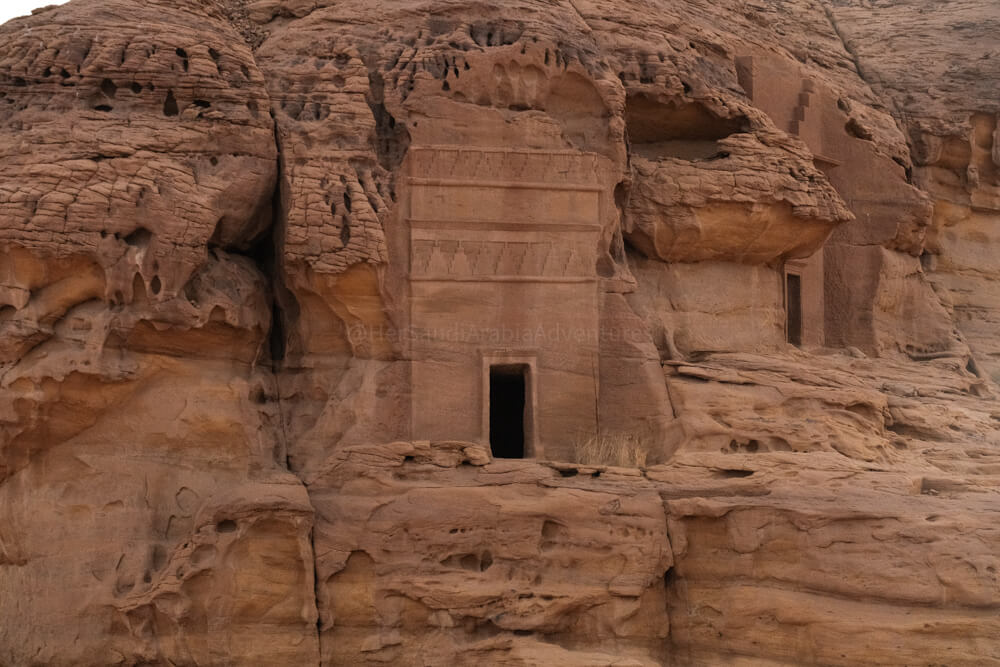
So far, archaeologists have identified 111 tombs at Hegra.The site has recently opened up to archaeological excavations, which is why only a few tombs are currently accessible to visitors. It’s rare to find places where you can still feel like an explorer, and Hegra offers this opportunity. The only thing I regret is not being able to explore at my own pace.
The Nabataeans
The ancestors of Arabia were a nomadic people who developed their kingdom around the capital, Petra, in Jordan. Hegra is one of the most significant Nabataean sites after Petra. The kingdom remained independent until 106 AD, when it was annexed to become a new Roman province. Indeed, a Roman inscription attests to the installation of the Roman army in Hegra.
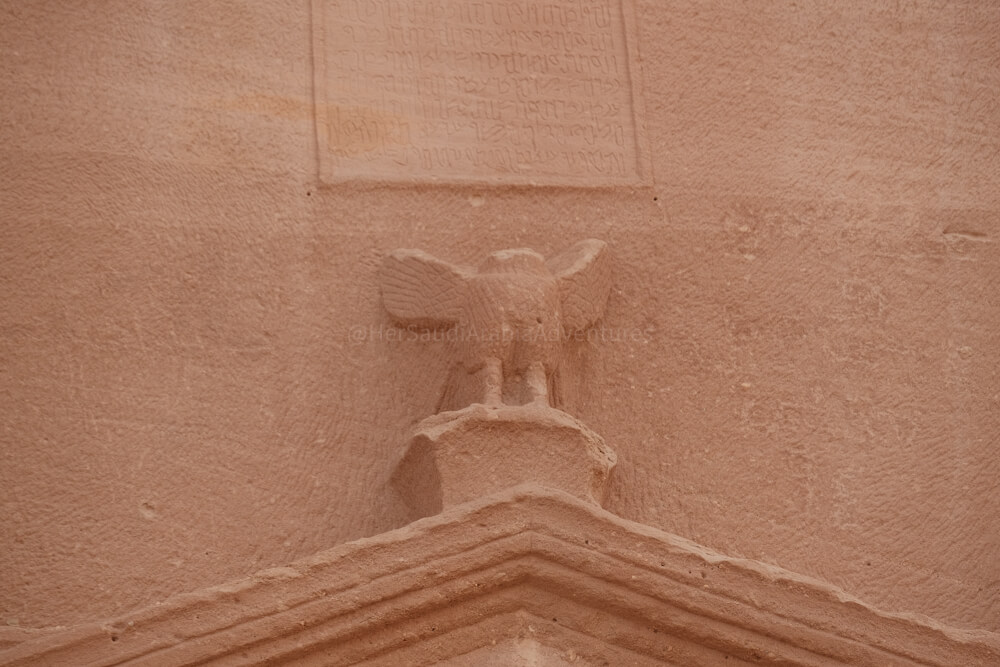
It has been possible to name these tombs. Some of them feature inscriptions on the facade: the names of the owners, the name of the artist (i.e., the stone carver), and the construction date. It was the wealthy Nabataeans who were buried in these mountains. Excavations have allowed for the reconstruction of the funeral ritual. The shrouds were coated with a mixture of fatty acids to delay decomposition, and a leather death mask covered the face.
Visit to Hegra‘s most famous tombs
It was really very hot… borderline unbearably hot Fortunately, the visit started in the late afternoon. What surprised me was the vastness of the site. Currently, only 5 locations are open to visitors. Most tourists i met in Al’Ula, at least during my trip, mainly came from the UAE, China, or India.
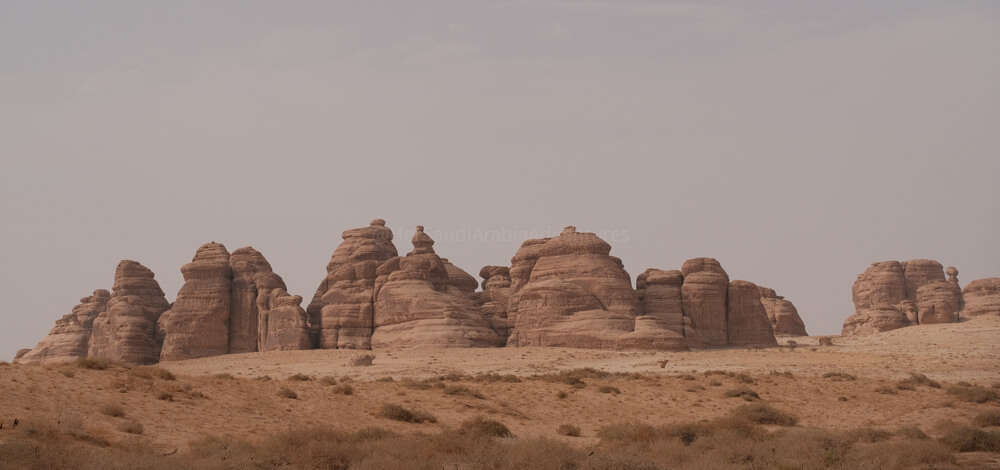
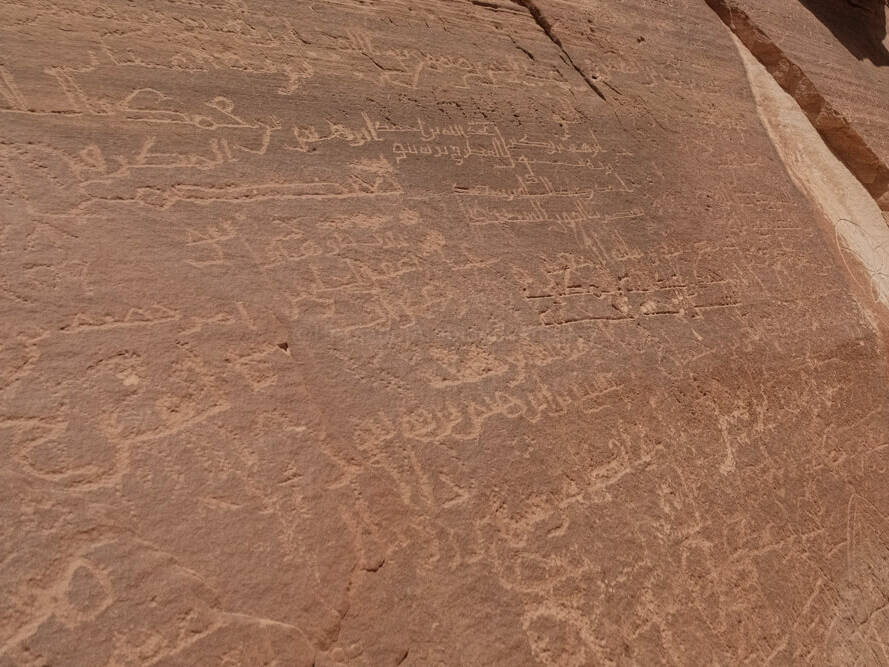
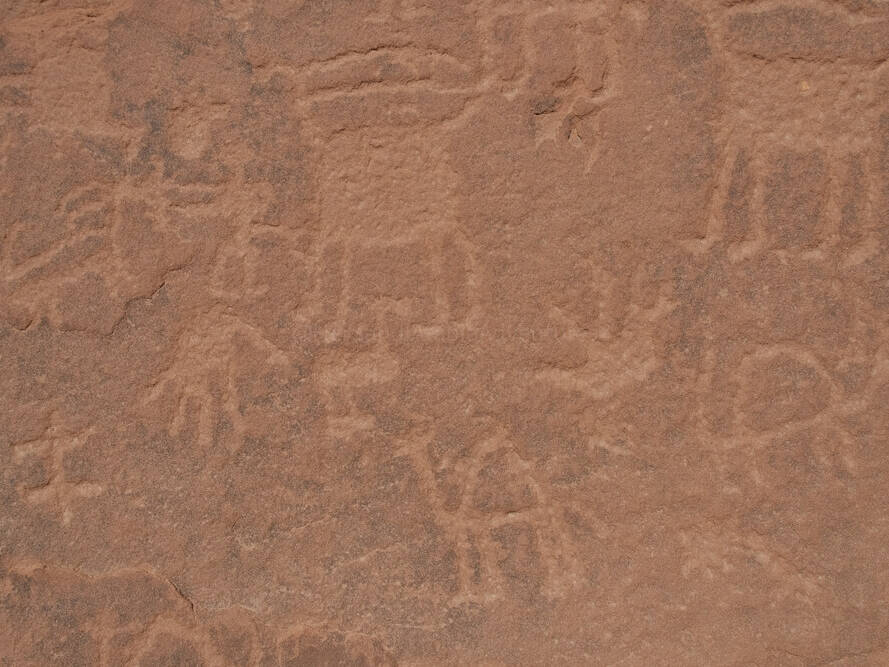
The Hegra site can be visited in about 2 hours, and the prices are listed on the official Al’Ula website. As mentioned above, only a few sites are open for visits
- Jabal Al Banat
- Jabal Alahmar
- The Tomb of Lihyan
- Jabal Ithlib
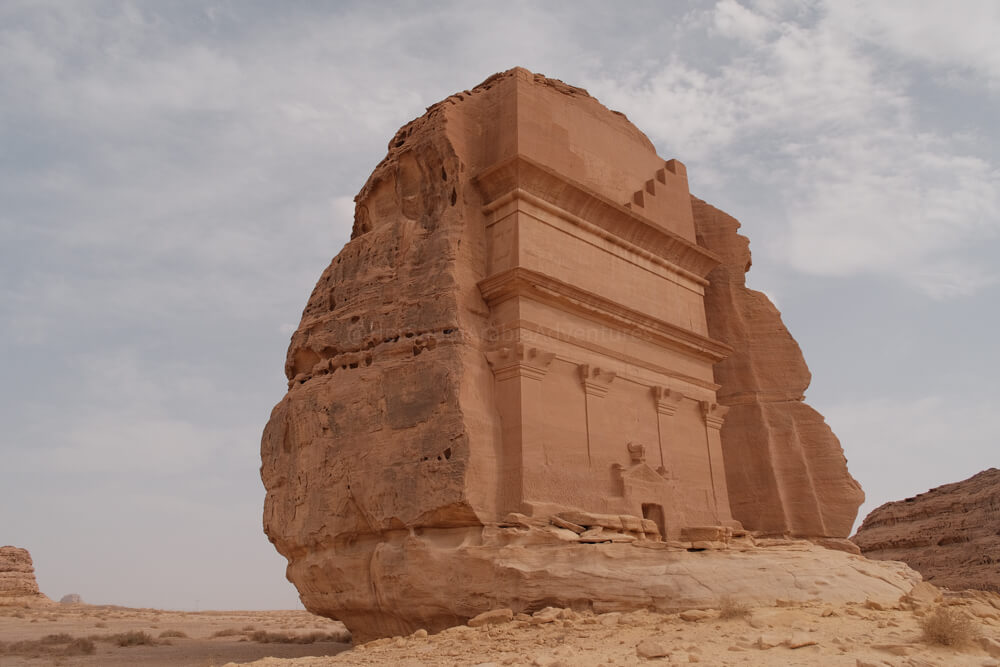
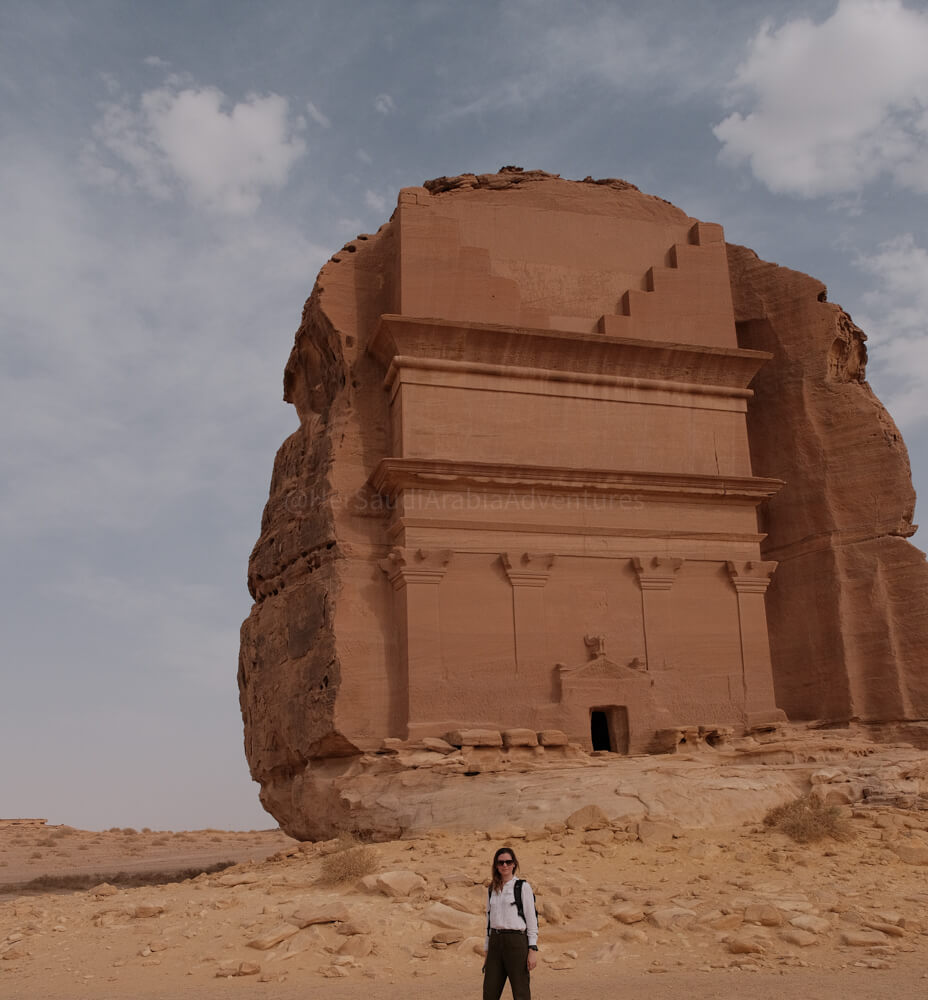
The Tomb of Lihyan, Son of Kuza (Qasr Al-Farid)
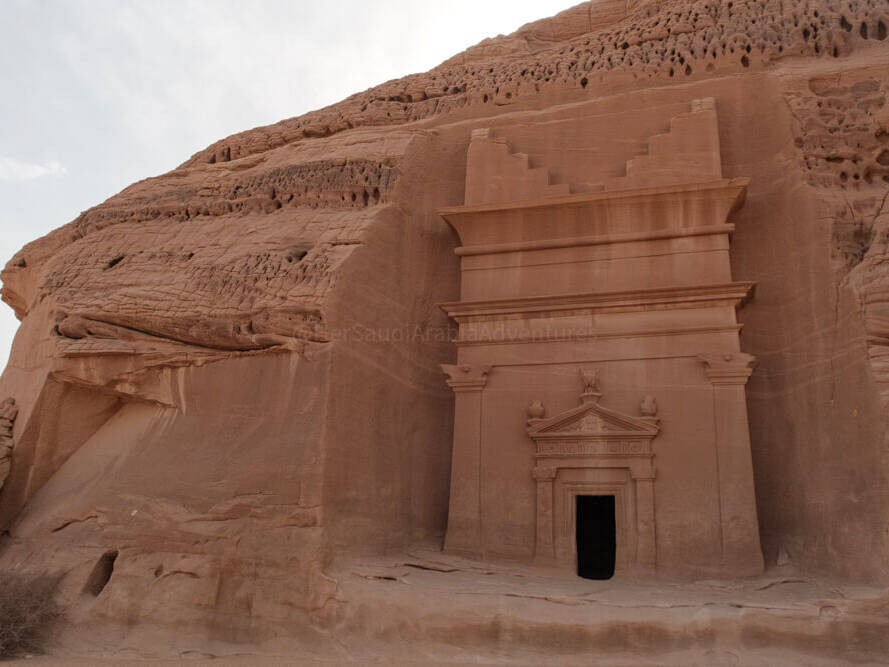
Also known as Qasr Al-Farid, it is the most iconic tomb at the Hegra site; it is the one most often featured in tourist brochures. Al’Ula had been on my list for years, and I had, of course, envisioned this magnificent monument. Today, I was finally lucky enough to see it. The tomb is about 22 meters tall, which is quite impressive when standing next to it.
Jabal Alahmar
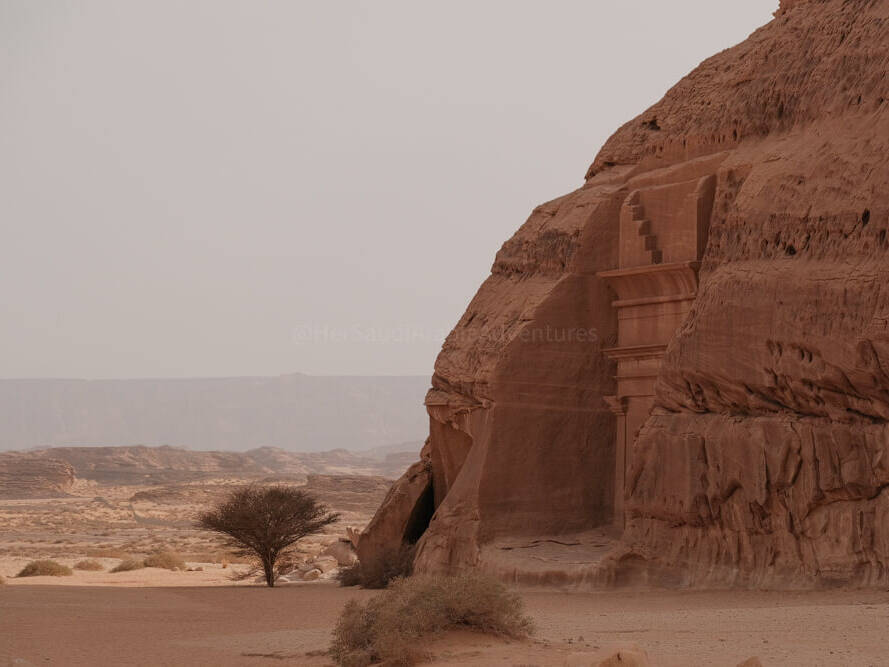
The site of Jabal Alahmar consists of a group of 18 tombs. The name “Jabal Alahmar” translates to “Red Mountain,” where Jabal means mountain and Al’Ahmar refers to a type of red tulip. The name reflects the red colour of the rock.
Being a designer, I always try to make sure my work reflects the tones and character of a place. When designing digital products in Saudi Arabia, I included this red-orange colour in my palette.
Jabal Ithlib
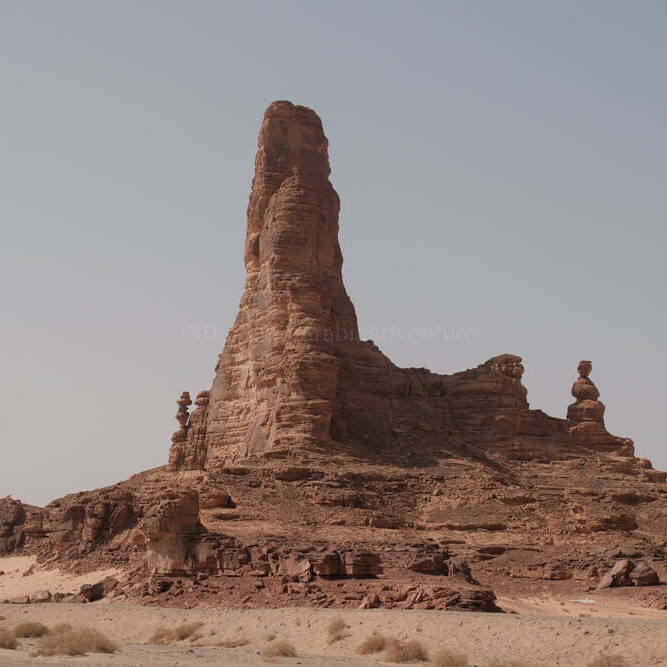
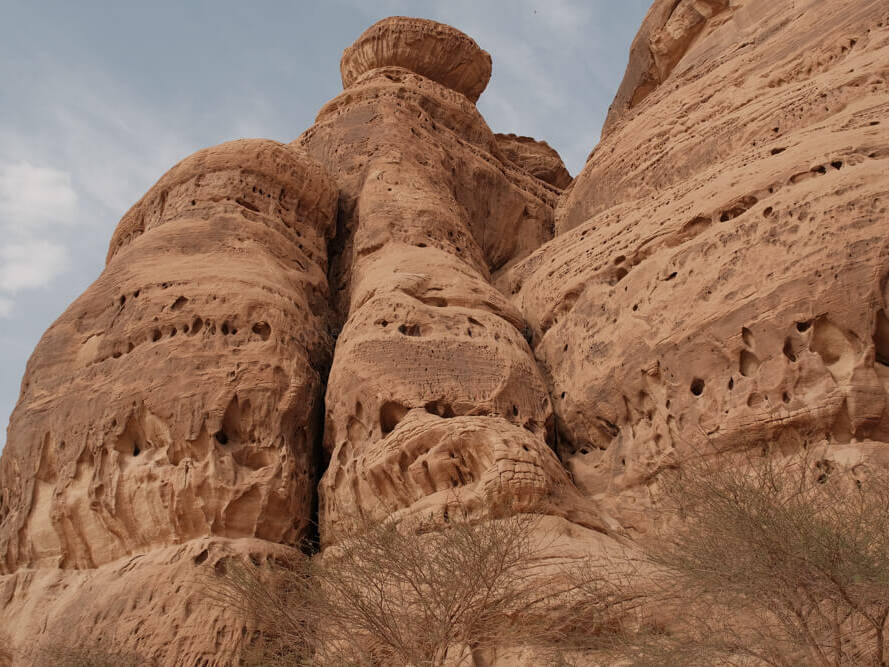
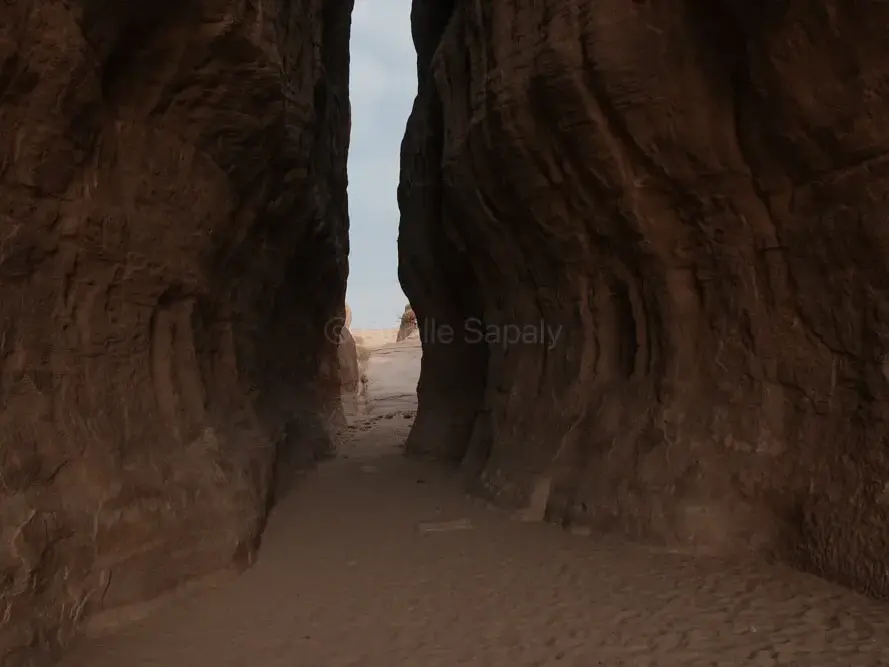
These rock formations to the east of Hegra are where the Nabataeans practiced their religion. We pass through a Siq, a natural fissure in the rock. At the entrance is Al Diwan, a rock-cut chamber that served as a banquet hall and meeting room for the city’s leaders.
We met a few people during the visit, each accompanied by their own guide, all of whom were women. It was fascinating to hear them bring the place to life, they were genuinely captivating to listen to.
Jabal Al Banat
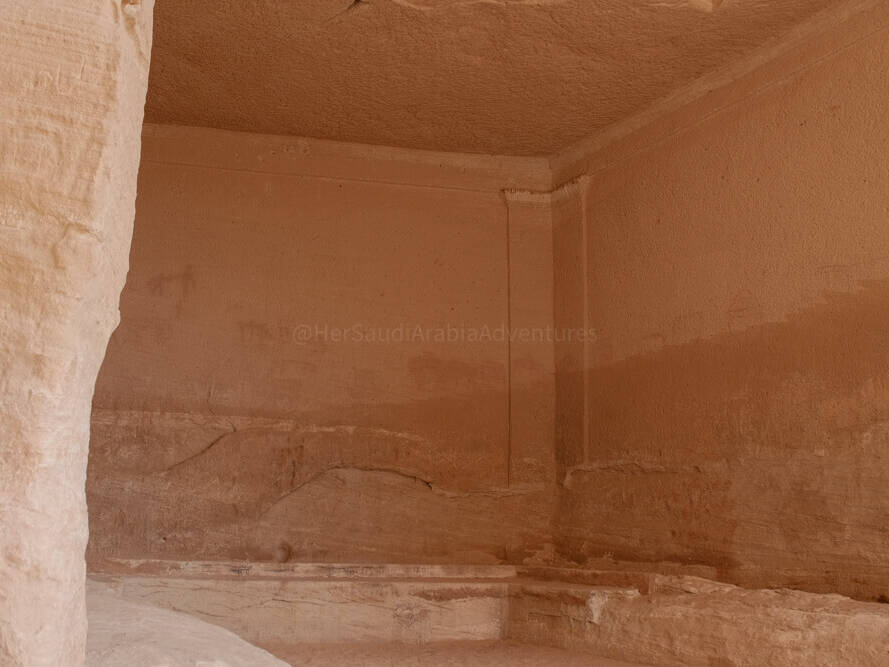
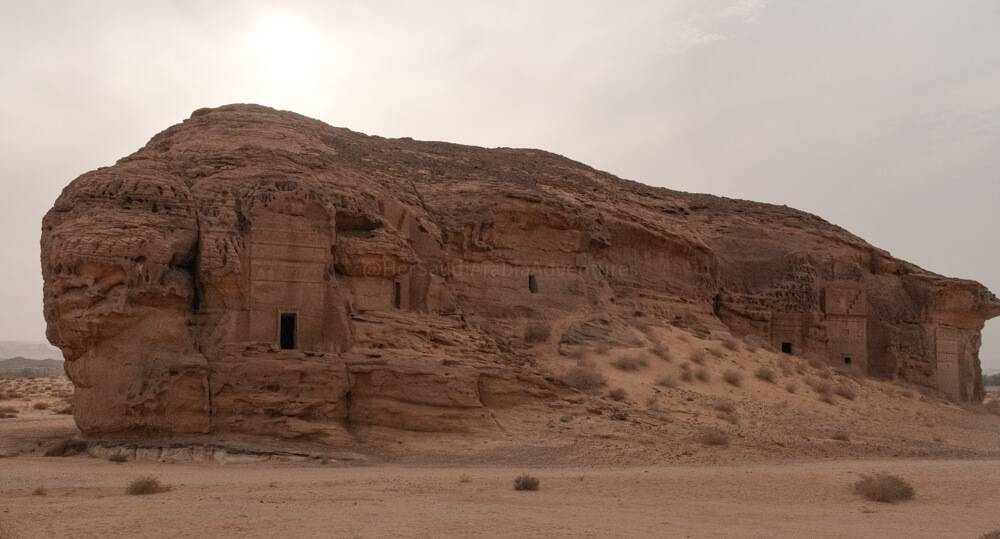
One of the largest groups of tombs at Hegra features a monolith with 29 tombs, many commissioned or owned by women.
Many of the tombs at Hegra belong to women, and this is unusual compared with other Nabataean sites. It shows that Nabataean women often held high status.
When to visit Hegra?
The best times to visit Hegra and Al’Ula are during the intermediate seasons. Although Saudi Arabia has fewer tourists compared to sites like Petra, facilities are still limited. It’s best to book in advance.
Summer: The sun is scorching, making it difficult to walk around during the day when temperatures exceed 40 degrees Celsius! But this also means fewer tourists, allowing you to explore the wonders of Al’Ula without the crowds.
Winter: Winter is the tourist season. The temperatures are much more pleasant.
The Midian Tombs, NEOM
In addition to Hegra, another remarkable site in Saudi Arabia is the Midian Tombs, located within the NEOM region. These ancient tombs are believed to be linked to the civilisation of Midian, a group mentioned in historical texts. The Midianites once inhabited the northwestern part of the Arabian Peninsula, and their tombs, like those of the Nabataeans, are carved into rock formations. For more information about visiting the Midian Tombs, check out the article.
Exploring beyond Hegra
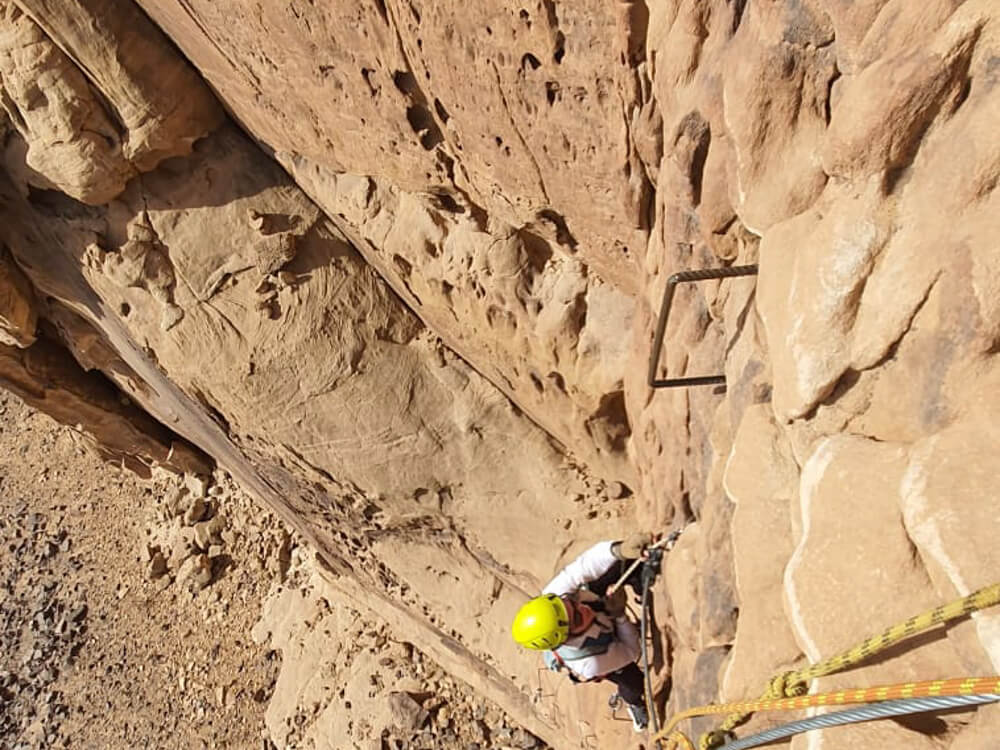
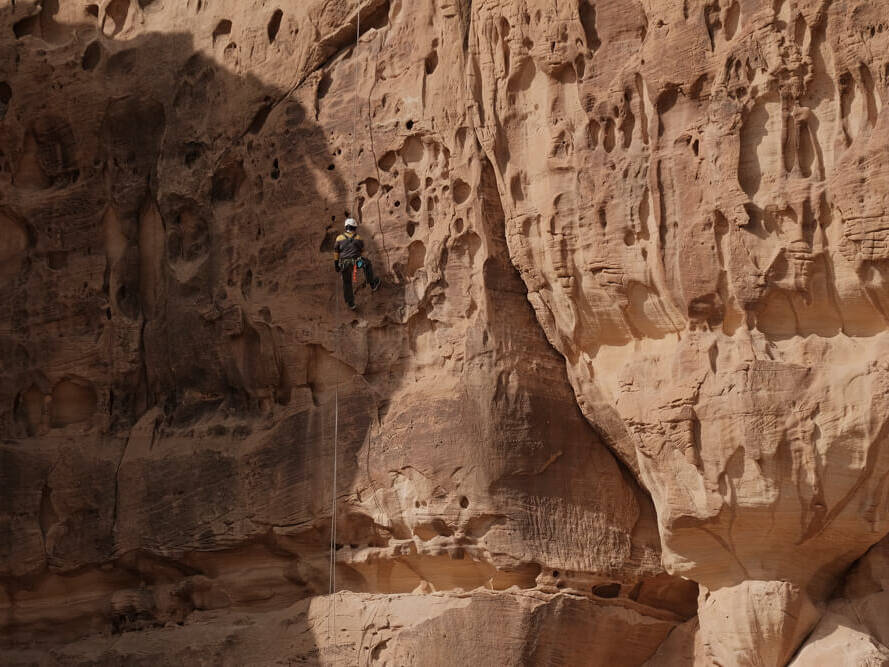
There is a lot to discover in AlUla. The region offers beautiful hiking trails, via ferrata routes, abseiling, and even hot-air balloon rides over the desert landscape. I would recommend spending at least three days in AlUla, exploring and really taking in this remarkable historic site.
If you’d like to discover more places to visit in AlUla, you can find my other articles here.